What if some solutions to Botswana’s healthcare challenges are already growing in our communities, but we haven’t yet built the systems to protect, validate, and develop them?
Botswana has a rich history of indigenous knowledge, including plant knowledge and traditional remedies passed down through generations.
When access to conventional medicines is challenging, it is worth asking what role this knowledge could play in building locally relevant health solutions.
But an important gap remains between traditional knowledge and a scientifically validated, commercially viable product. How do we move from knowledge held within communities to research that can be tested, protected and developed, while ensuring that the communities who hold that knowledge are recognised and benefit from it?
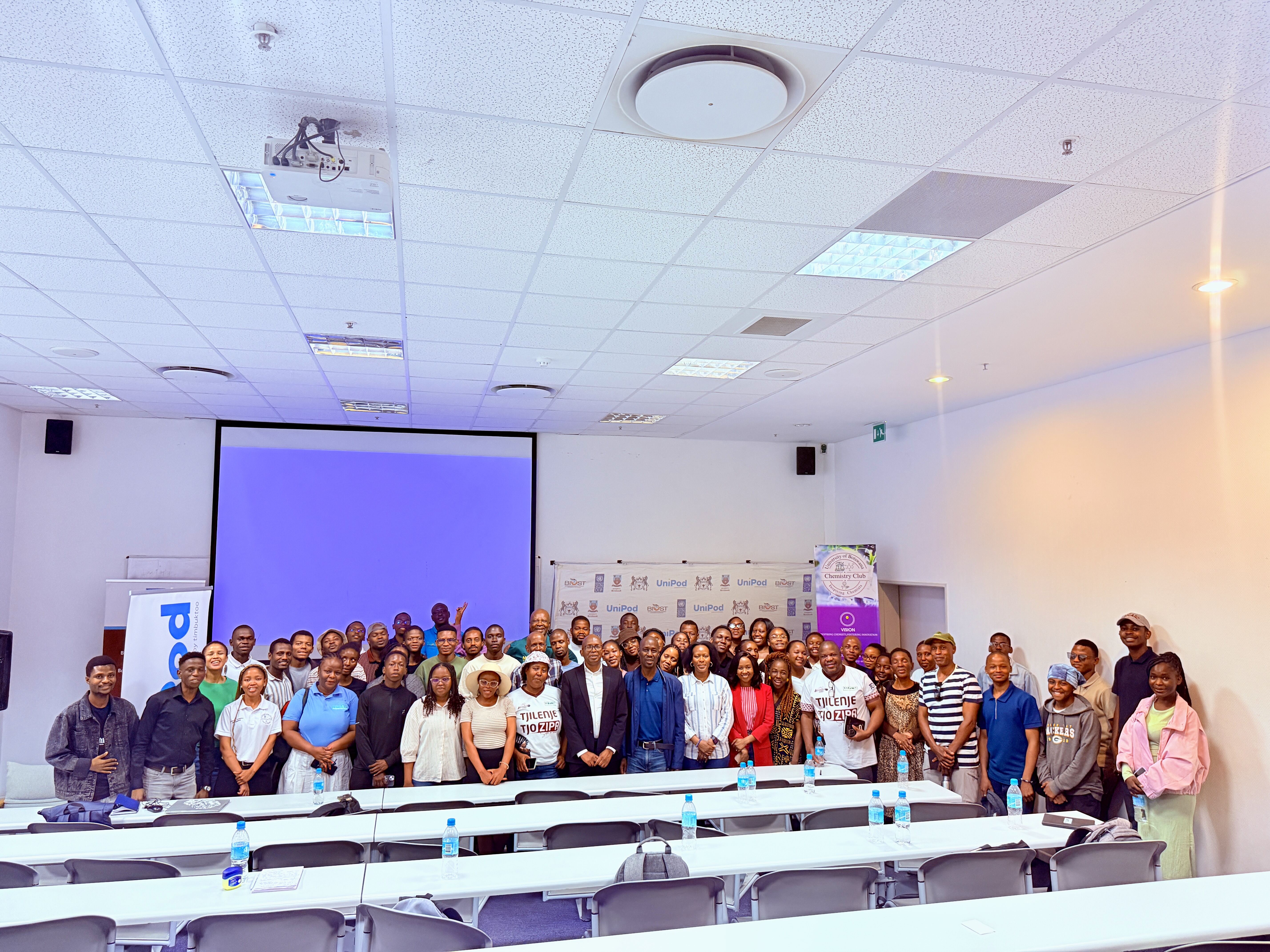
This was the focus of a recent workshop hosted by the University Innovation Pod (UniPod Botswana), in collaboration with the University of Botswana Chemistry Club. The workshop brought together perspectives from intellectual property (IP), chemistry, biology and indigenous knowledge to explore how these disciplines can work together.
A major part of the conversation centred on how IP can be applied to products based on indigenous knowledge, and how this knowledge can be translated into research and innovation without losing sight of its origins.
It also highlights something we sometimes overlook: innovation isn't always about discovering something completely new. Sometimes, it is about looking differently at what we already have.
Intellectual property, scientific research, policy, and frameworks such as the Nagoya Protocol and the WIPO Treaty on Intellectual Property, Genetic Resources and Associated Traditional Knowledge all play a role in shaping what that future could look like.
If indigenous knowledge is going to become part of Botswana's innovation ecosystem, the conversation can't be only about what we can develop from it. It also has to be about who owns it, who protects it and who benefits from it.
What would responsible commercialisation of indigenous knowledge look like in Botswana?